

Introduction to Loreto
Nestled along the stunning coastline of Baja California Sur, Mexico, Loreto is a charming Mexican fishing village that seamlessly blends natural beauty, rich history, and vibrant culture.
With its crystal-clear waters, diverse marine life, and dramatic landscapes, sustainable travel in Loreto has emerged as an ideal destination for eco-conscious travelers, outdoor enthusiasts, and culinary adventurers seeking authentic experiences.
As environmental awareness grows globally, the significance of sustainable tourism becomes increasingly clear. Loreto offers travelers a unique opportunity to explore a destination deeply committed to eco-friendly practices—from locally sourced dining to dedicated wildlife conservation initiatives.
Through sustainable travel in Loreto, visitors can actively contribute to preserving this remarkable region while creating unforgettable memories that honor both nature and culture.
Eco-Adventures in Loreto
Snorkeling and Diving in the Sea of Cortez
The Loreto Bay National Park, established in 1996, protects over 797 square miles of the Sea of Cortez—often called the “Aquarium of the World” by Jacques Cousteau.
This UNESCO World Heritage Site is renowned for its exceptional biodiversity, making it a premier destination for snorkeling and diving enthusiasts seeking sustainable travel in Loreto.
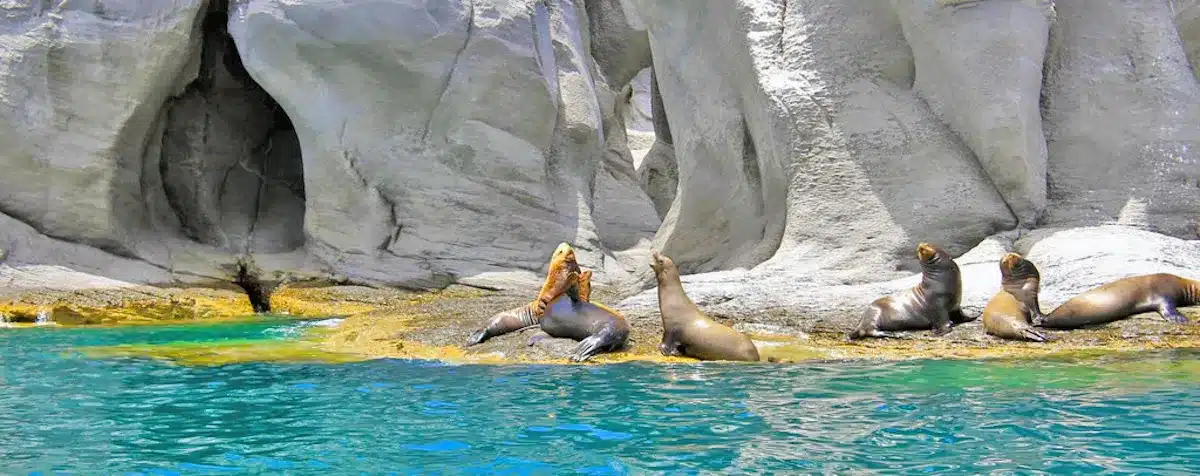
Within the protected waters of the marine park, visitors can explore vibrant coral reefs teeming with colorful fish, graceful sea turtles, and playful sea lions. The park’s numerous marine sanctuaries provide critical habitat for hundreds of species, including manta rays, whale sharks, and seasonal migrating whales.
Several certified local operators offer eco-friendly snorkeling and diving tours that emphasize marine conservation, educating guests about the fragile ecosystems they’re experiencing while adhering to strict guidelines to protect these underwater treasures.

One of the most popular diving spots within the Loreto Bay National Park is the nearby Isla del Carmen, with spots like Punta Lobos, Islote La Vaca, La Choya, Bajo Murcielago, and Picacho Colorado; where SCUBA divers can witness the majestic beauty of underwater canyons, rocky reefs, and thriving marine communities.
All tours operating within the park are designed to minimize environmental impact—following designated routes, limiting group sizes, and ensuring natural habitats remain undisturbed—while providing travelers with the opportunity to create lasting memories in this protected aquatic paradise.
Kayaking Tours Along the Coastline
For those seeking a more tranquil adventure, kayaking among the pristine islands of Loreto offers an unparalleled coastal experience. Paddling through crystal-clear waters, visitors can explore the five main islands—Coronados, Del Carmen, Danzante, Montserrat, and Catalana—each offering unique opportunities to observe marine life, dramatic rock formations, and hidden coves while enjoying the serenity of the Sea of Cortez.
Guided kayaking tours often include stops at secluded beaches on these islands, where travelers can relax on untouched shores and appreciate the unspoiled beauty of the Loreto Bay National Marine Park.
Many tour operators in Loreto focus on eco-friendly practices, ensuring that their island kayaking activities have minimal environmental impact on these protected areas.
Kayaking is not only a fantastic way to exercise and explore but also a means to connect with nature and promote awareness of the fragile island ecosystems within the Loreto marine park.

Kayaking among the islands of Loreto is a wonderful way to experience sustainable travel in Loreto, allowing paddlers to intimately discover the island’s pristine beaches, sea caves, and marine sanctuaries while respecting the protected environment and enjoying the tranquil beauty of the Sea of Cortez.
Hiking in the Sierra de la Giganta and the Islands of Loreto
The Sierra de la Giganta mountain range, rising dramatically behind Loreto, offers exceptional hiking opportunities across trails suited for beginners and experienced trekkers alike. Adventurers can traverse diverse ecosystems—from arid desert landscapes dotted with endemic cacti and agave to rugged volcanic terrain offering panoramic vistas of the turquoise Sea of Cortez below.
One of the most rewarding trails leads to the historic San Javier Mission, a remarkably preserved 18th-century Jesuit church nestled in a mountain oasis, where travelers can experience both natural splendor and colonial heritage in a single journey.
Beyond the mainland, several islands within the Loreto Bay National Marine Park—particularly Isla Coronado and Isla Carmen—feature coastal hiking trails that wind along dramatic sea cliffs, secluded beaches, and ancient volcanic formations. These island hikes offer unique opportunities to spot endemic species like the rattleless rattlesnake and observe seabirds nesting in protected habitats.

Hiking in the Sierra de la Giganta and the islands of Loreto provides more than physical exercise—it fosters meaningful connections with the region’s fragile desert and coastal ecosystems.
Local guides, many of whom are lifelong residents, enhance these experiences by sharing knowledge about native flora (including medicinal plants used by indigenous peoples), fauna adaptations to harsh desert conditions, and the geological forces that shaped these landscapes. Their insights transform simple hikes into educational journeys that deepen environmental appreciation.
By choosing guided hikes and staying on designated trails, travelers actively support sustainable travel in Loreto—protecting sensitive habitats, preventing erosion, and contributing to conservation efforts that preserve these remarkable ecosystems for future generations.
Wildlife Watching: Marine and Terrestrial Species
Loreto is a haven for wildlife enthusiasts, providing opportunities to observe a variety of marine and terrestrial species. The nearby Loreto National Marine Park is home to dolphins, whales, and a plethora of fish species. During certain times of the year, visitors can witness the incredible sight of migrating gray whales as they pass through these warm waters, offering unique opportunities for responsible wildlife watching.

On land, the region is home to diverse wildlife, including the elusive desert bighorn sheep and various bird species, making it a paradise for birdwatchers. Eco-tours focused on wildlife observation often emphasize the importance of conservation and responsible viewing practices, ensuring a sustainable approach to experiencing the region’s natural wonders.
The Historical Heritage of Loreto
Exploring the Mission of Our Lady of Loreto
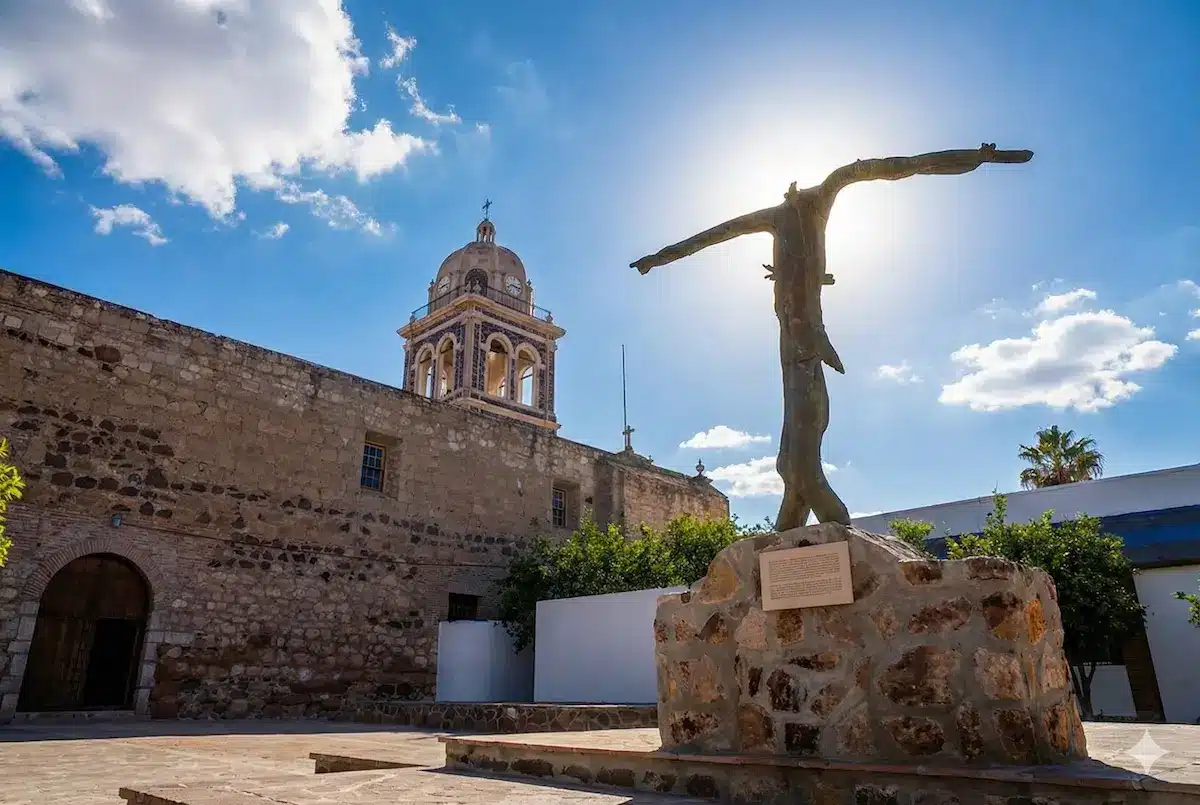
The Mission of Our Lady of Loreto, established in 1697, holds historical significance as the first mission in the Californias. This beautifully preserved site offers visitors a glimpse into the rich cultural history of the region.

The mission’s architecture, combined with its serene surroundings, creates a peaceful atmosphere for reflection and exploration. Guided tours provide insights into the mission’s history, including its role in the civilization of California.
Visiting the Mission of Our Lady of Loreto is part of sustainable travel in Loreto, allowing visitors to understand its historical significance while respecting the local culture.
Additionally, the mission hosts various cultural events and festivals throughout the year, celebrating its legacy and the traditions of the local community. Visiting the mission not only enriches the travel experience but also fosters a deeper understanding of Loreto’s historical context.
Visiting the Loreto Historical Museum
The Loreto Historical Museum provides insights into sustainable travel in Loreto, showcasing how the area has evolved over time. For those interested in delving further into the area’s history, the Loreto Historical Museum is a must-visit.
Located in the heart of the town, this small but informative museum houses artifacts that showcase the indigenous cultures, the viceregal era in Mexico, and natural history of Loreto. Exhibits include archaeological finds, traditional crafts, and displays about the local ecology, providing a comprehensive overview of the region’s heritage.
Knowledgeable staff members are often available to guide visitors through the exhibits, making the experience both educational and engaging. The museum serves as a valuable resource for understanding the historical significance of Loreto and its impact on the broader context of Baja California.
Cultural Significance of the People of Loreto
Loreto’s history is deeply intertwined with that of the pioneers who first inhabited the region. The people, who have lived in the area for years, have a rich cultural heritage that is still evident today. Understanding their traditions, art, and way of life enhances the experience of sutainable travel in Loreto and highlights the importance of cultural preservation.
Local artisans often showcase traditional crafts, which provide insight into the local culture. Supporting these artisans through responsible shopping not only helps sustain their crafts but also fosters a deeper connection to the local community.
Participating in traditional events is a vibrant facet of sustainable travel in Loreto, where cultural heritage is celebrated and preserved.
Loreto Local Cuisine: Sustainable Dining Options
Exploring local cuisine is an essential aspect of sustainable travel in Loreto, where visitors can enjoy fresh seafood harvested responsibly from the Sea of Cortez.
Loreto’s culinary offerings are a delightful fusion of traditional Mexican flavors and fresh coastal ingredients. The town is known for its seafood, harvested sustainably from the rich waters of the Sea of Cortez. Many local restaurants prioritize sourcing from sustainable fisheries, allowing visitors to enjoy fresh dishes without compromising the marine ecosystem.

Dining at local eateries provides an authentic experience, often showcasing local recipes and culinary traditions. From freshly caught fish tacos to expertly prepared ceviche, the flavors of Loreto reflect its cultural heritage and commitment to sustainability. Additionally, many establishments are focused on reducing waste and utilizing local produce, making dining an integral part of sustainable travel.
Community-Based Tourism and Local Artisans
Community-based tourism in Loreto emphasizes the importance of connecting travelers with local culture and traditions. Visitors are encouraged to engage with the community, supporting local businesses that prioritize sustainable practices. Whether it’s purchasing handmade crafts or consuming local goods, travelers can contribute to the local economy while enjoying unique, immersive experiences.
Reducing plastic use is essential for sustainable travel in Loreto, and visitors are encouraged to participate in local initiatives that promote environmental responsibility.
Craft fairs and artisan markets are popular venues for showcasing local talent, offering a wide range of goods, from handmade jewelry to traditional textiles. By investing in these local products, travelers actively support the preservation of cultural heritage and sustainable practices within the community.
Experience Loreto’s Traditional Festivals and Events
Experiencing local festivals is a fantastic way to immerse oneself in Loreto’s vibrant culture. Throughout the year, the town hosts various celebrations, including the Feast of Our Lady of Loreto, which features religious processions, traditional music, and culinary delights. These events not only showcase the community’s rich traditions but also foster a sense of togetherness among locals and visitors alike.
By adopting sustainable travel in Loreto practices, travelers can enjoy unique experiences that reflect the area’s commitment to environmental and cultural stewardship.

Participation in these festivities creates lasting memories and provides travelers with a deeper appreciation for Loreto’s cultural significance. Engaging with locals during such events allows visitors to forge genuine connections and gain insights into the community’s way of life, enhancing their overall travel experience.
Tips for Sustainable Travel in Loreto
The future of sustainable travel in Loreto depends on ongoing efforts to engage with the community and preserve the area’s natural and cultural heritage.
Visitors embracing sustainable travel in Loreto will find a rich tapestry of experiences that connect them to nature and culture while promoting conservation.
Choosing Eco-Friendly Accommodations
When planning a trip to Loreto, selecting eco-friendly accommodations is crucial for minimizing environmental impact. Several hotels and lodges in the area prioritize sustainability by implementing energy-efficient practices, utilizing renewable resources, and fostering community engagement. These establishments often emphasize conservation efforts, helping to preserve the natural beauty of the region.
Choosing eco-friendly accommodations is vital for sustainable travel in Loreto, ensuring that tourism benefits the environment and local communities.
Travelers can research accommodations that have received certifications for their sustainable practices, ensuring their stay aligns with eco-friendly values. By choosing to stay at these establishments, visitors contribute to the local economy and support efforts aimed at protecting Loreto’s unique environment.
Responsible Wildlife Interactions
While exploring Loreto’s natural wonders, it is essential to engage in responsible wildlife interactions. This includes respecting the habitats of marine and terrestrial species, observing wildlife from a distance, and avoiding feeding or disturbing animals. Many local tour operators promote ethical wildlife watching practices, educating visitors on the importance of conservation and the delicate balance of ecosystems.

By adhering to these guidelines, travelers can enjoy unforgettable wildlife experiences while contributing to the preservation of Loreto’s remarkable biodiversity. Responsible tourism practices help ensure that future generations can enjoy the same breathtaking encounters that make Loreto a unique destination.
Reducing Plastic Use and Supporting Local Initiatives
Reducing plastic use is a vital aspect of sustainable travel in Loreto. Visitors are encouraged to bring reusable water bottles, shopping bags, and containers to minimize waste during their stay. Many local businesses support this initiative by offering discounts for travelers who bring their own containers or refuse single-use plastics.
Additionally, travelers can participate in local conservation efforts by joining beach clean-ups or supporting initiatives aimed at reducing plastic pollution. Engaging with local organizations like Eco-Alianza de Loreto not only enhances the travel experience but also fosters a sense of community and responsibility toward preserving Loreto’s pristine environment.
Conclusion: The Future of Sustainable Travel in Loreto
Encouraging Responsible Tourism Practices
As Loreto continues to gain popularity as a travel destination, the importance of encouraging responsible tourism practices cannot be overstated. By prioritizing eco-friendly activities, supporting local artisans, and engaging with the community, travelers can help ensure that the beauty and culture of Loreto are preserved for generations to come.
The collective effort of visitors and locals alike in Loreto is essential for maintaining the delicate balance between tourism and environmental conservation.
Inviting Travelers to Experience Loreto’s Beauty
Loreto offers a unique and enriching travel experience that combines eco-adventures, historical heritage, and authentic coastal experiences. By embracing sustainable travel practices, visitors can connect deeply with this beautiful region while contributing to its conservation. Whether you are an avid adventurer, a history buff, or a foodie, Loreto promises unforgettable memories that inspire a love for nature and culture.
FAQs
What is the best time to visit Loreto?
The best time to visit Loreto is from late fall to early spring (November to April) when temperatures are mild and pleasant for outdoor activities.
Are there any eco-friendly accommodations in Loreto?
Yes, several hotels and lodges in Loreto prioritize sustainability, offering eco-friendly amenities and practices aimed at minimizing environmental impact.
Is it safe to travel to Loreto, Mexico right now?
Yes, Loreto is considered safe for travelers. Baja California Sur (the state containing Loreto) carries a Level 2 advisory (“Exercise Increased Caution“) from the U.S. State Department—the same level as France or the UK.
What are the main environmental initiatives in Loreto?
The Not-profit Eco-Alianza Loreto for more than 18 years has promoted several environmental initiatives in Loreto, including marine conservation efforts, beach clean-ups, and community programs aimed at reducing plastic waste and promoting sustainability.
How can I support local artisans in Loreto?
You can support local artisans by purchasing handmade crafts at the Loreto Farmers and Artisan Market at the main Plaza that sets every saturday or participating in workshops and events that showcase traditional skills.
What activities can I participate in while visiting Loreto?
Visitors can enjoy a range of activities, including snorkeling, diving, kayaking, hiking, wildlife watching, and exploring local history and culture.
What is Loreto famous for?
Historical significance: First Spanish mission in the Californias (Mission of Our Lady of Loreto, est. 1697). Sustainable tourism focus: Small fishing village prioritizing conservation, authentic coastal experiences, and community-based tourism
What are the three types of sustainable travel?
Environmental sustainability — Reducing ecological impact via conservation, waste reduction, eco-friendly lodging, and responsible wildlife viewing.
Economic sustainability — Supporting local businesses, artisans, and community tourism to keep economic benefits in the destination.
Socio-cultural sustainability — Respecting traditions, engaging authentically with communities, preserving heritage through festivals and cultural exchanges.
Where do you fly into to get to Loreto, Mexico?
Loreto International Airport (LTO) is the primary gateway, located directly adjacent to the town for quick and convenient ground transfers. Direct flight options include:
Los Angeles (LAX): Alaska Airlines operates flights (1 hr 55 min); daily service during peak season (Nov–May).
Tijuana (TIJ): Domestic Mexican flights from Volaris are available.
Other U.S. & Canadian cities: Seasonal service available from American Airlines.